Skip to content

Expansion joints for industry and process plants

Technical clarification

We help narrow down the right solution type before further technical dialogue.

The assessment starts with medium, temperature, pressure, movements and geometry — making it easier to identify which expansion joint type is typically the best fit.

Medium Temperature Pressure Movements

STEEL

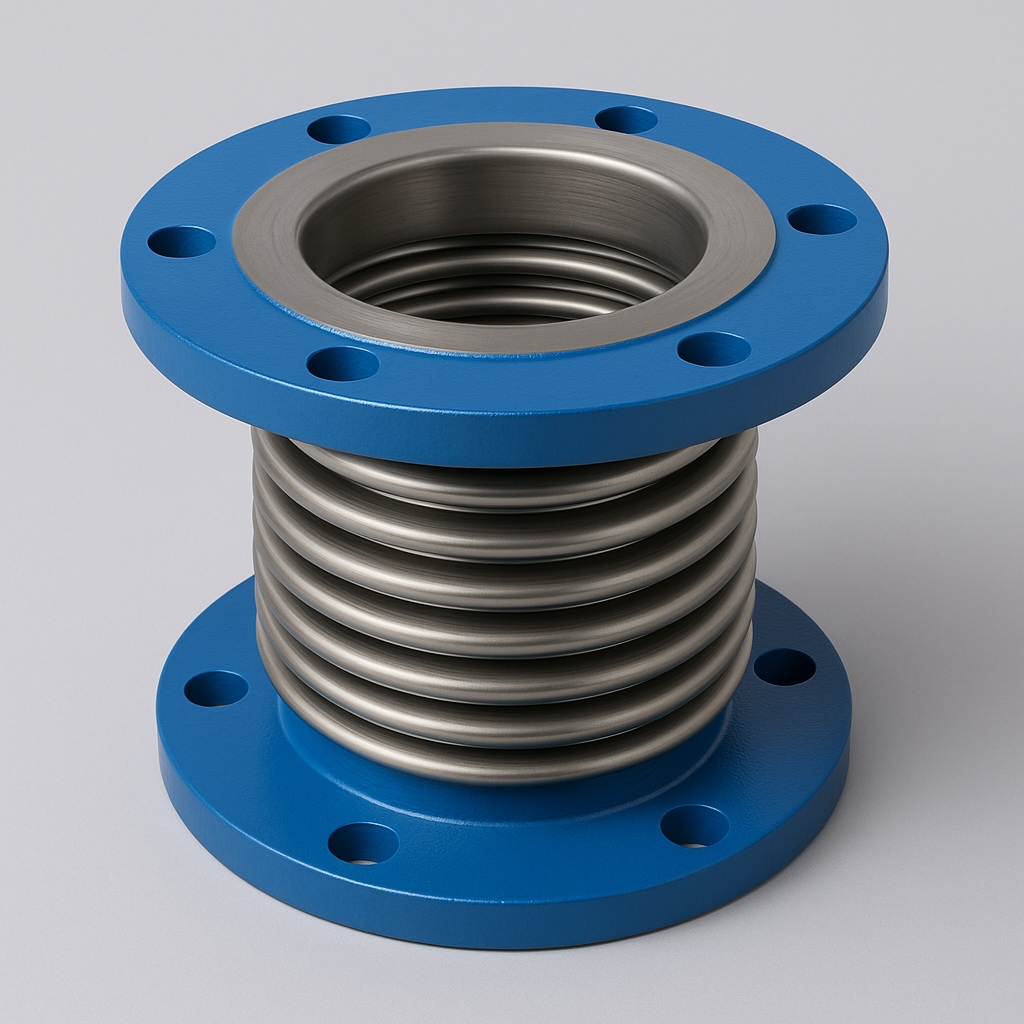
Steel expansion joint for axial and lateral movement

Steel expansion joints

Used where high temperature, pressure and controlled movements place clear demands on the construction.

  • Relevant in steam, heating and process piping
  • Suitable for defined axial and lateral movements
  • Used in demanding industrial operating conditions
Typical assessment

When reliability at temperature and pressure is more important than maximum flexibility.

Request assessment Detail page coming

RUBBER

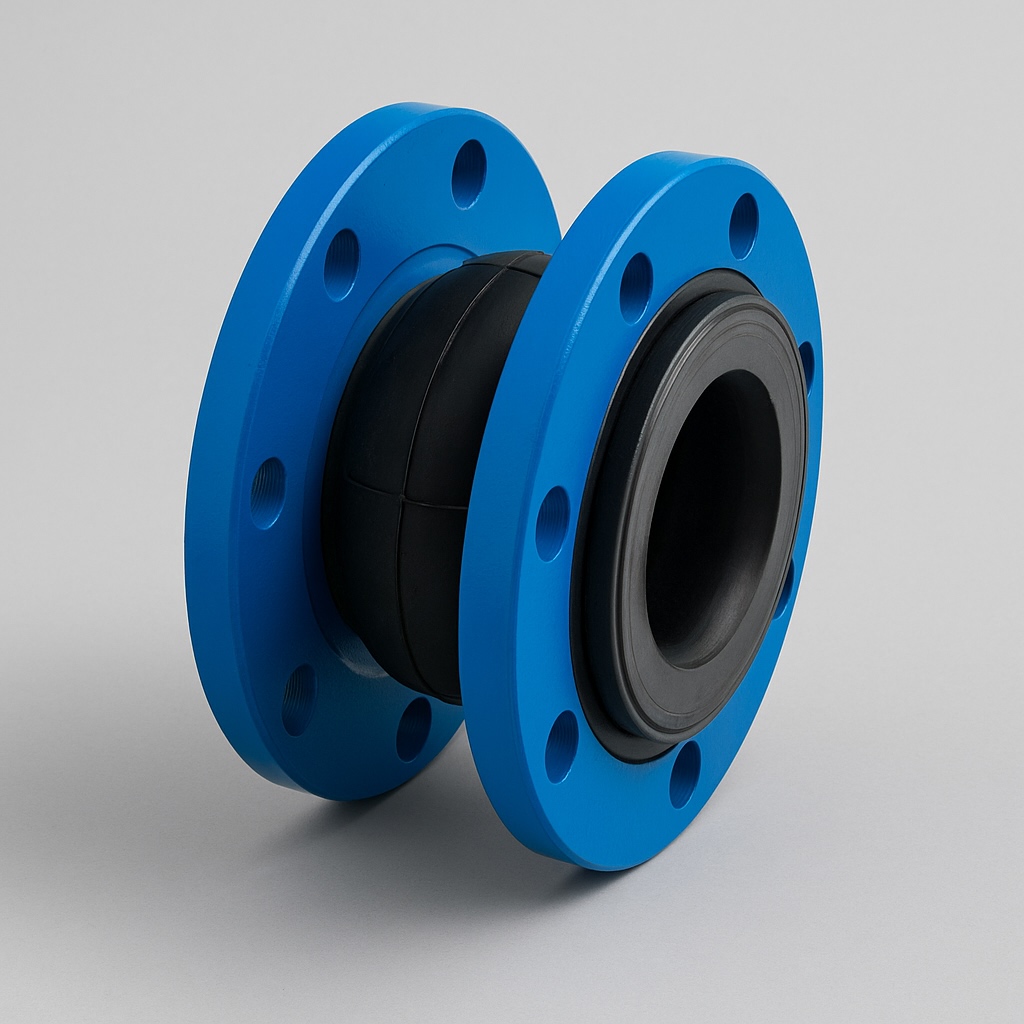
Rubber expansion joint with flanges for vibration damping

Rubber expansion joints

A practical solution where vibration, noise and smaller movement deviations must be handled between equipment and piping.

  • Often used around pumps, units and water systems
  • Helps reduce vibration and noise
  • Provides a flexible transition in compact installations
Typical assessment

When the main need is damping and relief in more general industrial piping systems.

Request assessment Detail page coming

PTFE

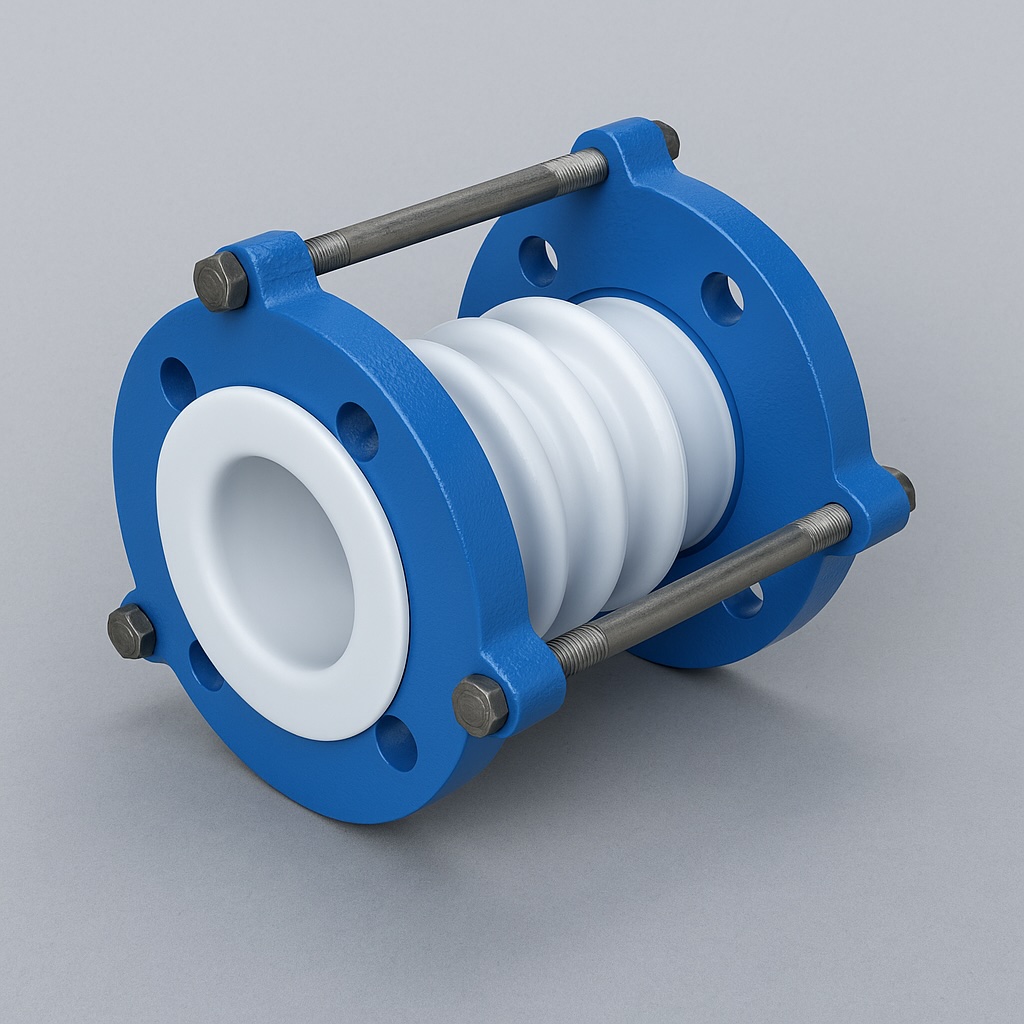
PTFE expansion joint for corrosive media

PTFE expansion joints

Relevant in systems with corrosive media or chemical conditions that limit the use of other materials.

  • Relevant in chemical process industry
  • Used where chemical resistance is central
  • Can be the right choice for special media requirements
Typical assessment

When the medium governs the choice of solution and material compatibility is decisive.

Request assessment Detail page coming

FABRIC

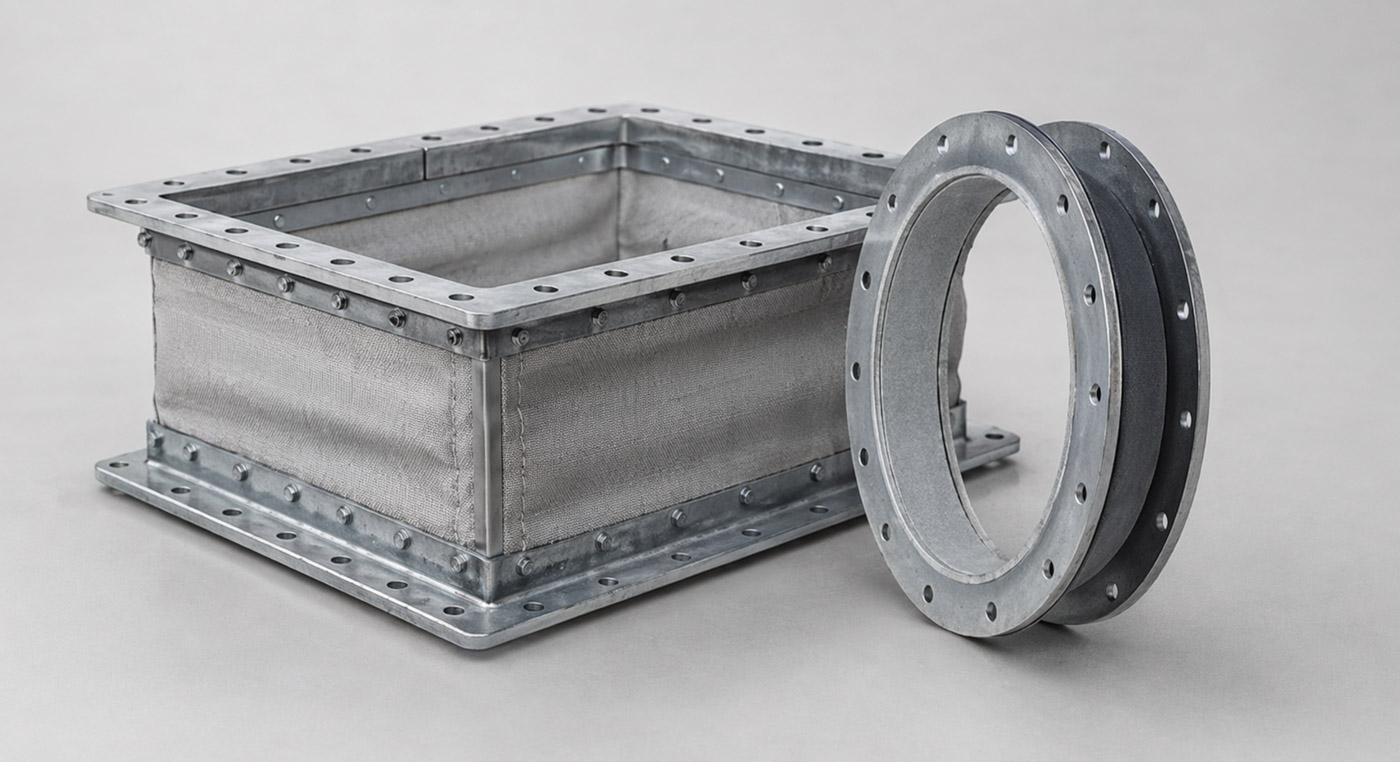
Fabric expansion joint for flue gas and air

Fabric expansion joints

Relevant in flue gas, exhaust and duct systems where low weight and large movements are an important part of the solution.

  • Typically used in HRSG, boiler and filter systems
  • Well suited for large duct transitions
  • A natural choice for demanding geometry and penetrations
Typical assessment

When the application is closer to ducting and flue gas than to a traditional pressurised piping system.

See detail page

Overview

When are the different expansion joint types used?

The four groups cover different needs in industry and process plants. This is a short category guide that makes it easier to orient yourself before further technical clarification.

Steel

When temperature and pressure are decisive

Typically considered in piping systems where reliability, defined movements and robust material properties are central.

Rubber

When vibration and noise must be damped

Relevant around pumps, units and water systems where a flexible transition can relieve the installation.

PTFE

When the medium places special demands

Used in solutions where chemical resistance and material compatibility outweigh a more standard construction.

Fabric

When duct geometry and large movements dominate

Often the right direction in flue gas, exhaust and duct systems with low weight, demanding transitions and high flexibility.

Assessment

What should be considered before choosing a solution?

A good choice rarely starts with product type alone. In practice, it is the interplay between medium, temperature, pressure, movements and available space in the installation that determines which solution fits best. Geometry, installation dimensions and transitions between components often influence the solution direction earlier than expected.

Medium

Chemical influence, cleanliness and process conditions affect material choice and construction.

Temperature

Continuous operating temperature and peaks set clear limits for which solution is relevant.

Pressure

Pressure level and tightness requirements should be assessed early to avoid the wrong solution direction.

Movements

Axial, lateral and combined movements must be evaluated from actual operation, not only nominal data.

Next step

A calm next step towards technical dialogue

For a faster initial assessment, it helps to send a few key data points early. This makes it easier to narrow down the right solution type and move more efficiently into the technical dialogue.

  • Medium, temperature and any peak conditions
  • Pressure, operating situation and tightness requirements
  • Expected axial, lateral or combined movements
  • Installation dimensions, drawing or a photo from site