Flue gas and exhaust ducts
Solutions for hot gases, temperature variations and movement in duct systems and exhaust lines.
FABRIC EXPANSION JOINTS
Tailored solutions for thermal movements, vibration and demanding operating conditions in industry, energy and process plants.
SVOGER AS assists industrial customers in Norway with the evaluation of fabric and textile expansion joints adapted to temperature, medium, movement, geometry and installation conditions.
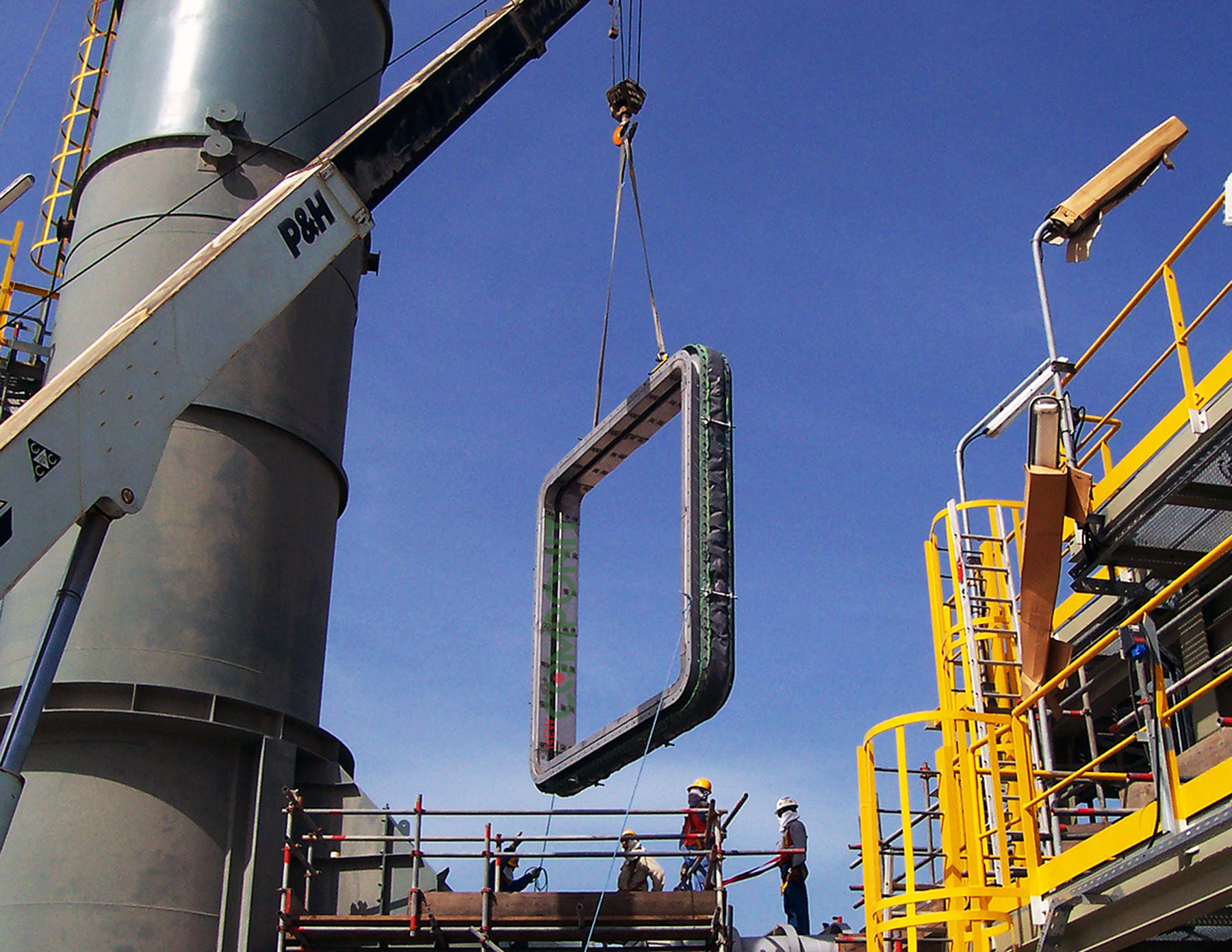
OVERVIEW
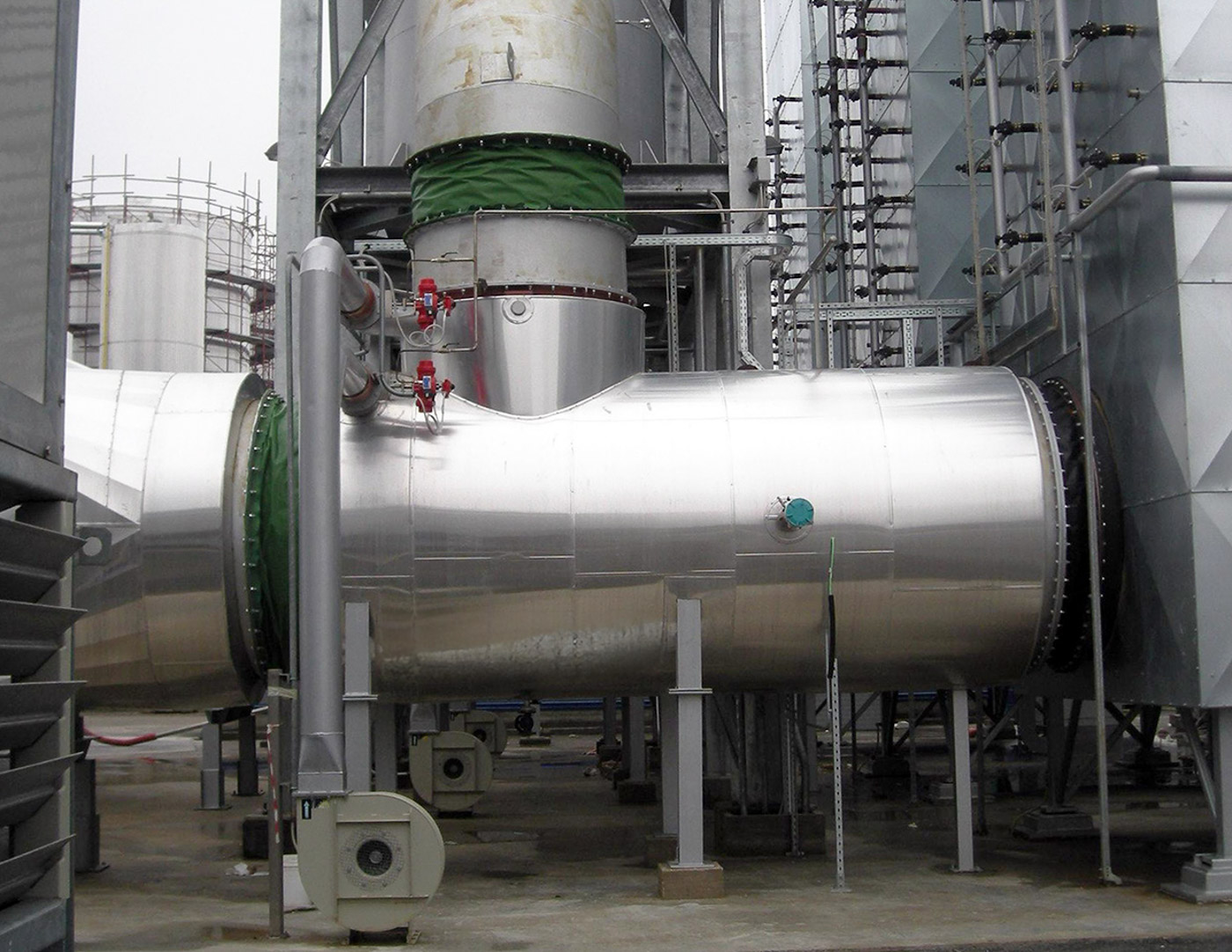
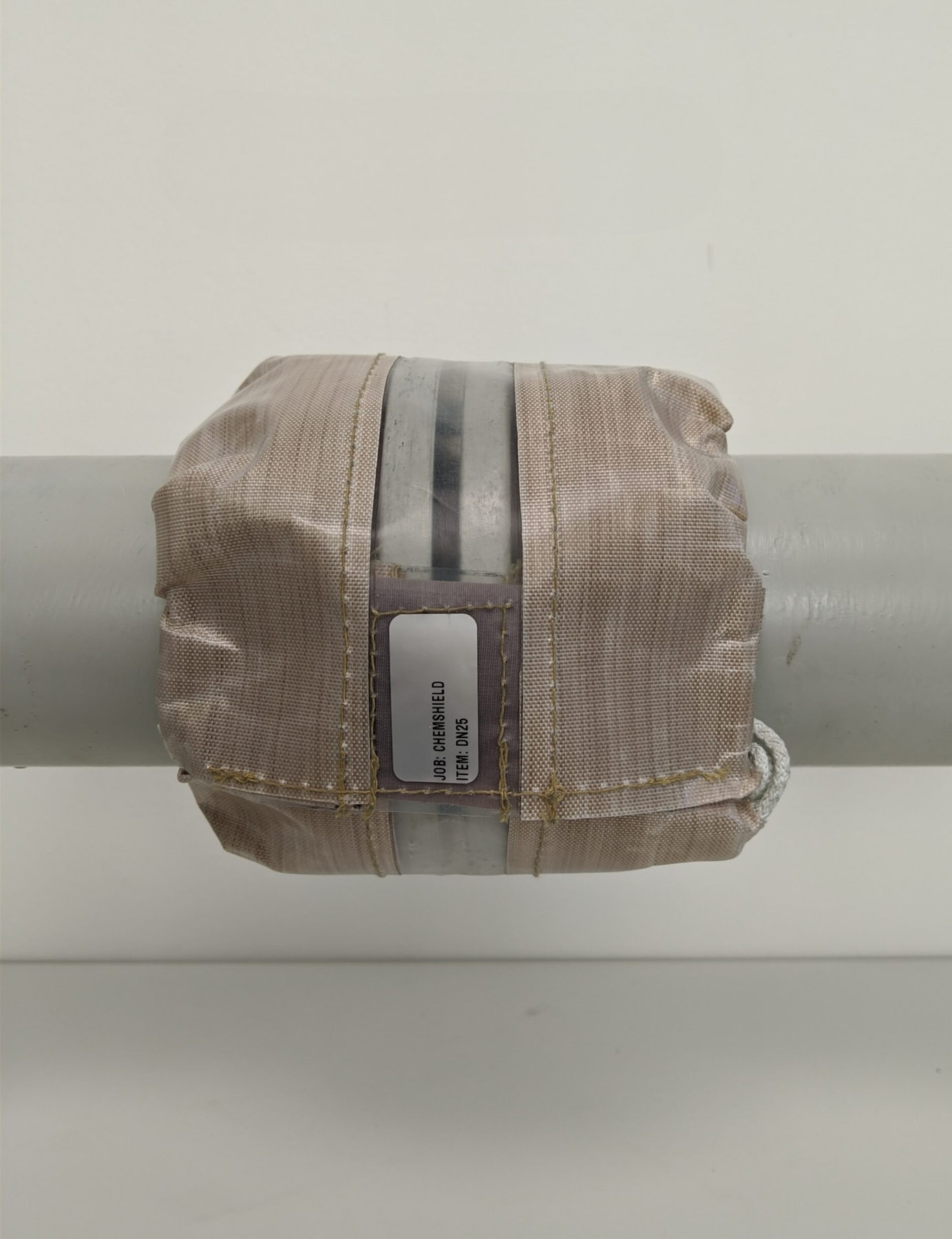
Fabric expansion joints, also referred to as textile expansion joints, are used in duct and exhaust systems where temperature, movement and space constraints place demanding requirements on the solution. They absorb thermal expansion, vibration and misalignment in systems where rigid or heavy solutions are not always the right choice.
Compared with more traditional solutions, fabric expansion joints can be a good alternative in duct systems for flue gas and exhaust gas, especially where low weight, flexibility, large movements and adaptation to complex geometries are required.
The solution is assessed on the basis of temperature, medium, movements, pressure conditions and where in the plant the joint will be used — for example in HRSG units, boiler plants, filter and gas cleaning plants, duct transitions or penetrations.
APPLICATIONS
Fabric expansion joints are used in many types of industrial plants. Typical applications include:
Solutions for hot gases, temperature variations and movement in duct systems and exhaust lines.
Suitable for demanding sections in heat recovery steam generators and other plants with high thermal loads.
Used in systems where vibration, movement and temperature must be handled safely.
Relevant in filter, scrubber and gas cleaning plants with flue gas cleaning, dust, chemical exposure or demanding process conditions.
Solutions for critical penetrations where tightness, movement and temperature must be handled simultaneously, also in retrofit and replacement projects.
When the plant requires tailored solutions adapted to shape, space and operating conditions.
EVALUATION
The construction and material build-up must reflect temperature, gas composition, condensate and any chemical exposure.
Axial, lateral and combined movements in actual operating conditions and during start-up and shutdown must be assessed.
Duct design, available installation space and adjacent components influence which solution is suitable.
The installation point must be assessed with regard to pressure conditions, tightness requirements and operational reliability.
ADVANTAGES
Can handle axial, lateral and combined movements in the system.
A lighter solution can simplify handling, reduce structural loads and provide greater design freedom.
Solutions can be designed around temperature, medium, geometry, movement and space constraints. Different constructions and material combinations are available for everything from air and exhaust gas to flue gas and more demanding process environments.
Can be used in applications with high temperatures, flue gas, exhaust gas and challenging process conditions.
PENETRATIONS
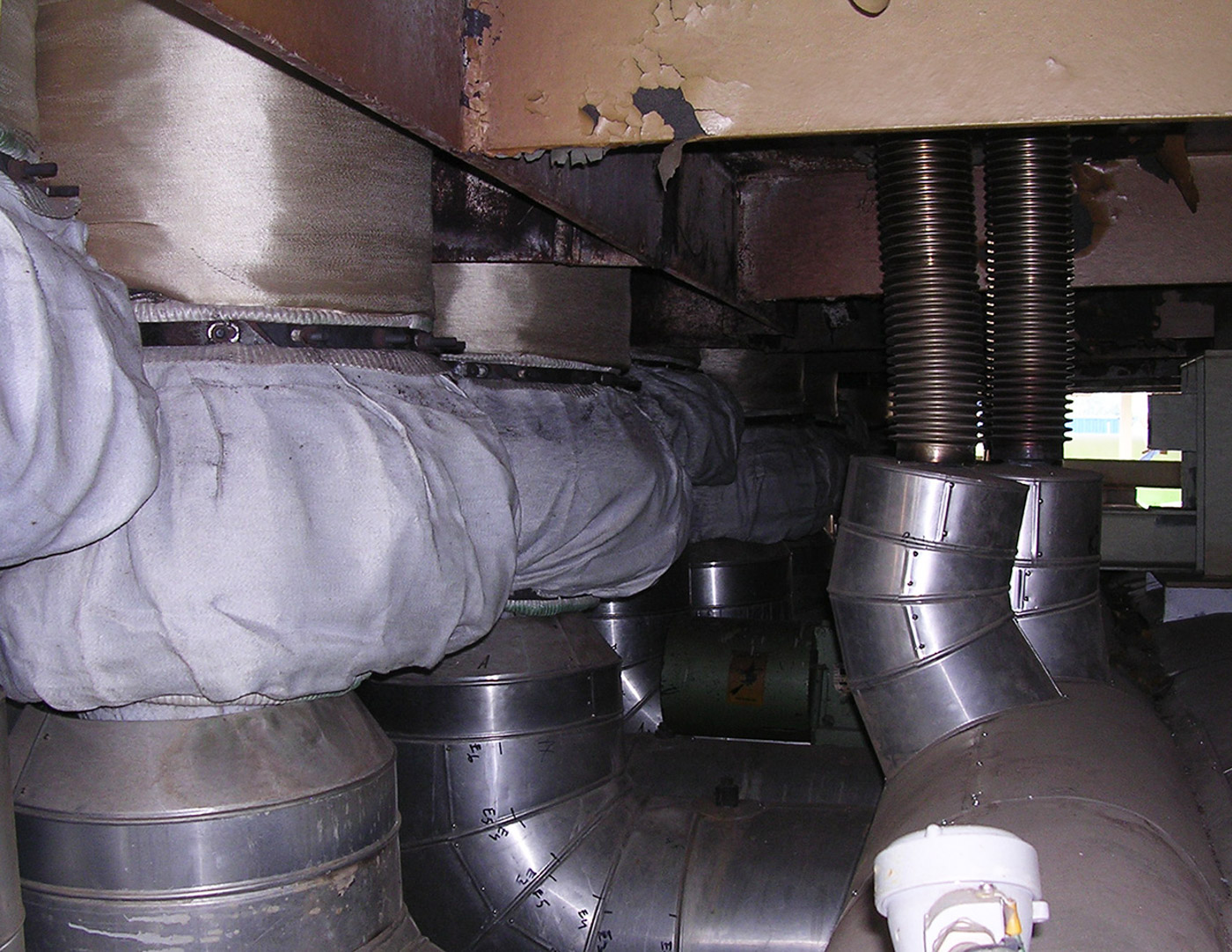
At wall, roof and floor penetrations, the solution must handle temperature, movement, tightness and mechanical influence at the same time. In these zones, it is important to select a solution based on the actual operating conditions, not just nominal dimensions.
For HRSG units, boiler plants and other high-temperature applications, fabric solutions can be a relevant option in critical penetrations where standard solutions often have a short service life, or where retrofit and replacement must be adapted to existing geometry.
RELATED AREAS
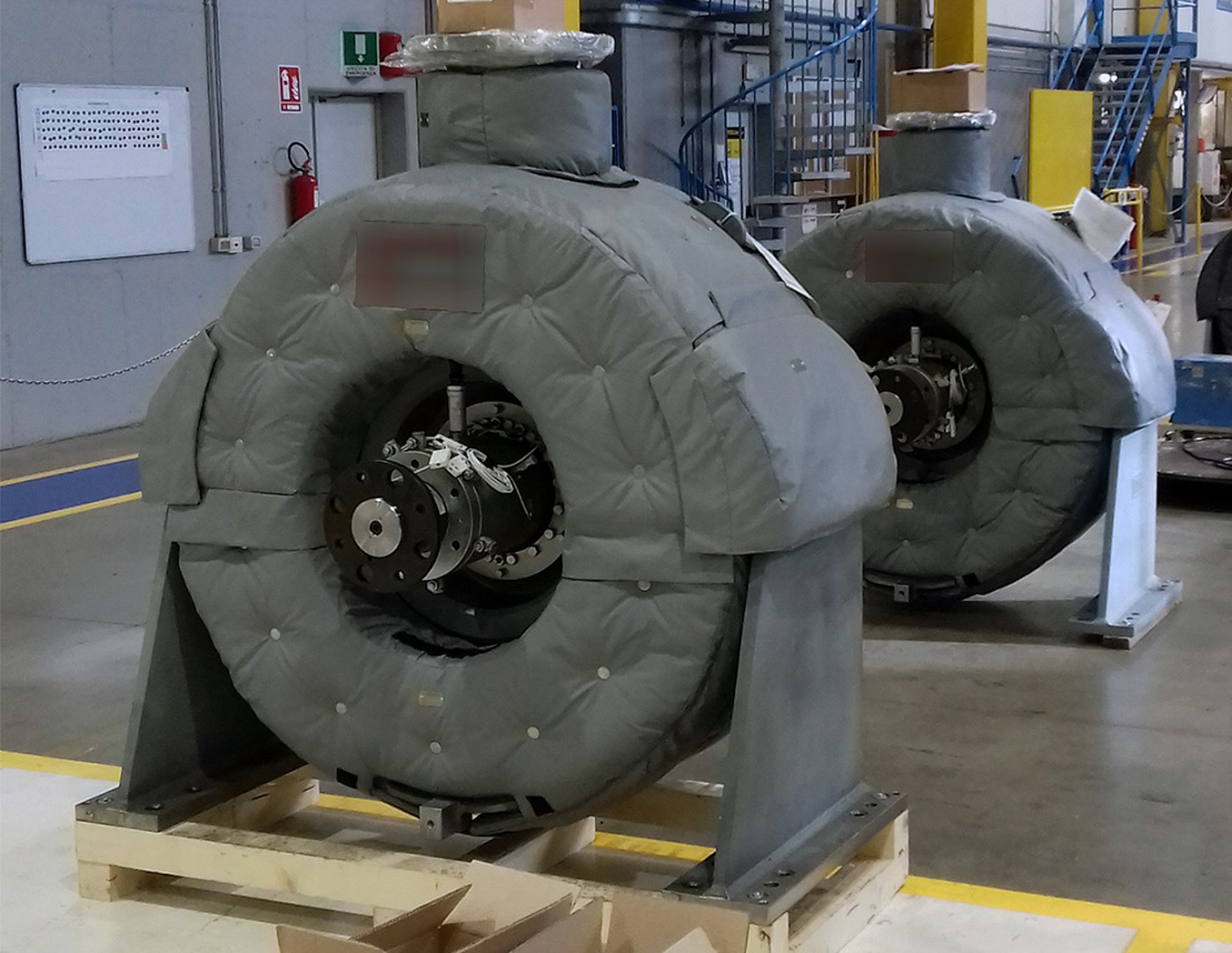
In some applications, other textile solutions may also be relevant within the same plant. See also our overview of expansion joints for other types of solutions used in industry and process plants, or send an inquiry if you want to clarify what is most relevant.
FAQ
Fabric expansion joints and textile expansion joints are used here as equivalent terms. They are often relevant in duct and exhaust systems where low weight, large movements and adaptation to geometry are important, while metallic expansion joints are more often used in piping systems with different pressure and construction requirements.
They are used in flue gas ducts, exhaust systems, duct systems, HRSG units, boiler plants, filter and gas cleaning systems, air intake systems, and wall, roof and floor penetrations.
It is helpful to send temperature, medium, pressure, expected movements, dimensions or a drawing, pictures of the installation point, and preferably information about the current solution if an existing joint is to be replaced or rebuilt.
Yes. Fabric expansion joints are often used for retrofit and replacement of existing solutions, especially where better flexibility, adaptation to geometry or handling of changed operating conditions is required.
INQUIRY
We are happy to assist with the evaluation of solutions for new plants, retrofit, replacements and technical inquiries. To provide a precise assessment, it is helpful to send relevant information about the application. See also our page about expansion joints if you are considering multiple solution types.